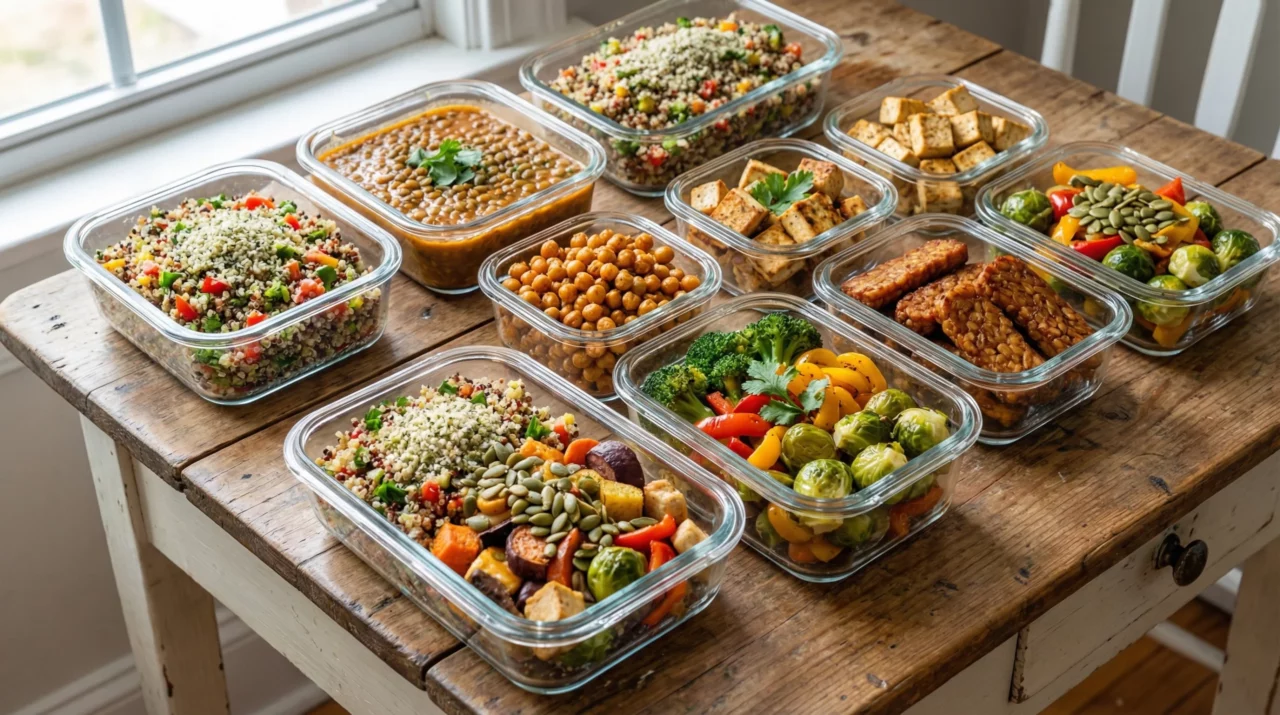
Building muscle and speeding up recovery doesn’t mean you have to stick to chicken or fish all day long. I’ve found that a high-protein vegetarian meal prep plan can help boost strength and make post-workout recovery feel a whole lot better. There are plenty of satisfying ways to hit your protein goals using plant-based foods, and once you’ve got a few tricks up your sleeve, prep time can be quick and the meals taste amazing.
Why High Protein Vegetarian Meal Prep Matters for Muscle Growth
Protein helps repair broken down muscle fibers, supports lean muscle gains, and keeps you fuller after meals. If you’re working out regularly, upping plant-based protein is a good way to help your body bounce back and grow stronger. Meal prepping isn’t just about saving time; it helps keep nutrition on track and stops you from scrambling for a less nutritious snack after a tough gym session.
Studies show that plant protein can help muscle recovery and growth almost as well as animal proteins, as long as you get enough total protein and a good mix of amino acids. The vegetarian market has exploded in the past few years, which means good quality, protein rich plant foods are much easier to find nowadays.
You don’t have to worry about missing out on nutrients like iron or vitamin B12 if you plan meals carefully. Working in beans, lentils, tofu, tempeh, and dairy (if you eat it) ensures you’re set up for even the most demanding workout schedule.
The information contained on this page is for educational purposes only and should not be taken as medical advice. Please see a licensed dietician, nutritionist, or physician for personal recommendations
Building a HighProtein Vegetarian Meal Plan
Building a week’s worth of meals that hit your targets starts with picking the right ingredients. Here are some plantbased proteins that always help me push my goals:
- Tofu and Tempeh: Both are loaded with protein and soak up marinades beautifully for all kinds of dishes—from stirfries to breakfast scrambles.
- Legumes: Lentils, chickpeas, black beans, and kidney beans get the job done in soups, stews, and salads. Add them to wraps or grain bowls for a solid protein bump.
- Dairy: If you eat eggs or dairy, Greek yogurt, eggs, and cottage cheese are super handy for breakfast or snacks.
- Whole Grains: Quinoa, buckwheat, farro, and brown rice aren’t just carbs; they come with more protein than regular white rice or bread.
- Nuts and Seeds: Almonds, pumpkin seeds, and hemp seeds make easy addons for extra crunch and nutrition.
Some athletes worry about getting all the essential amino acids found in animal protein. Mixing beans with rice, hummus with whole wheat pita, or lentil soup with side grains helps fill any gaps.
Getting Prepped: Step-by-Step Guide for Meal Prep Success
Meal prep isn’t complicated, but having a solid plan helps. Here’s how I keep things organized and stressfree:
- Pick Recipes You’ll Actually Eat: Sticking to favorites makes it easier to follow through on meal prepping. Choose dishes that you look forward to and know you won’t get bored of by day three.
- Batch Cook Staples: Cook up a few base ingredients (quinoa, beans, roasted veggies) at the start of the week. You can mix and match them for different meals to keep things interesting.
- Portion for the Week: Store prepped meals or components in reusable containers. This makes grabbing lunch or dinner after a workout really easy.
- Use Freezer-Friendly Meals: Dishes like chili, curry, or breakfast burritos freeze well and make last-minute meal solutions a breeze.
- Prep Snack Packs: Keep hardboiled eggs, Greek yogurt, trail mix with nuts, or overnight oats on hand for high protein snacks.
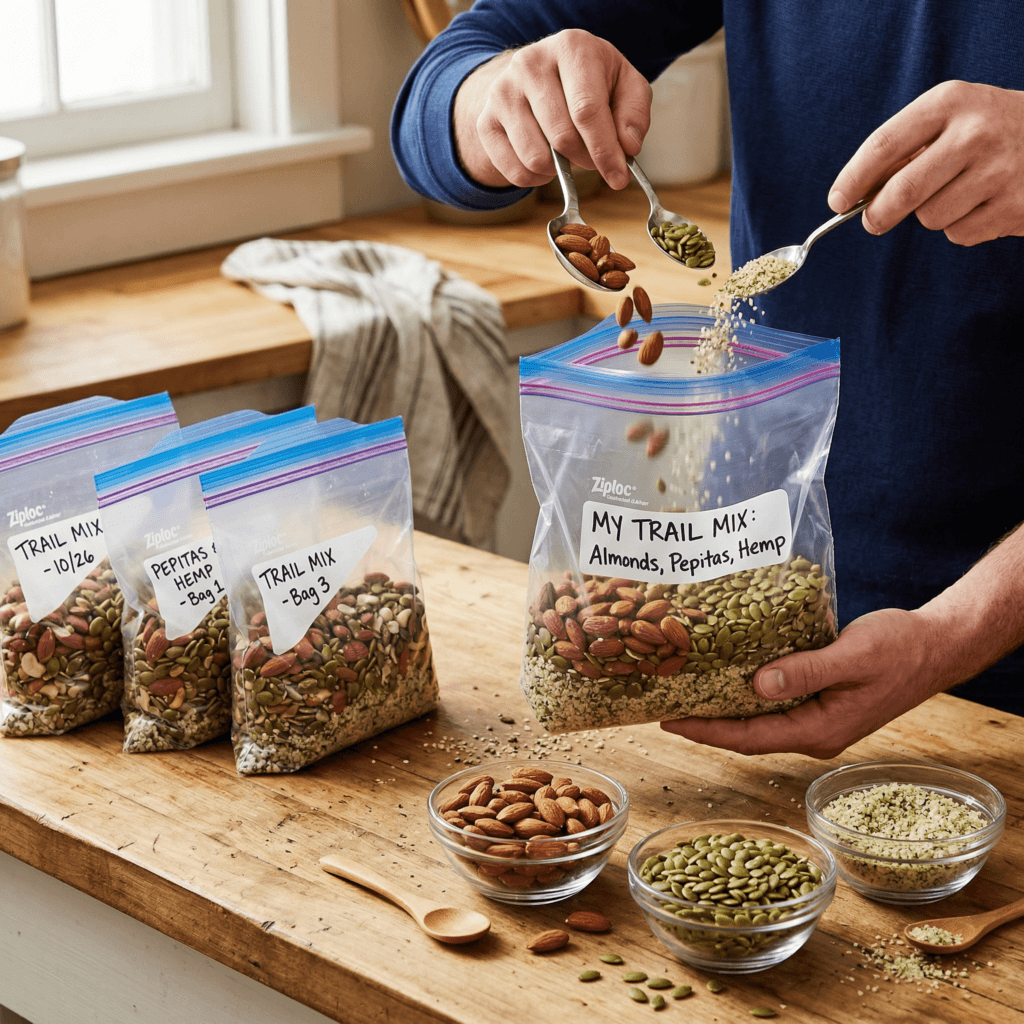
Prepping ahead cuts down on food waste and keeps your nutrition on track, especially during busy or stressful weeks.
Common Road blocks with Vegetarian Meal Prep, and How to Avoid Them
I’ve hit a few bumps on my own meal prep adventure, so here are things you might want to watch out for and easy ways to get around them:
- Getting Bored: Swapping up your herbs, spices, or sauces makes the same basic ingredients taste fresh every time. One week I’ll do a Mediterranean style bowl, the next I’ll swing it toward TexMex flavors.
- Lack of Variety: Rotate protein sources so you’re not just eating tofu or beans at every meal. Mix in nuts, seeds, or dairy if you can.
- Not Enough Protein: It’s easy to underestimate how much you need. Using a tracking app or handwritten log for a few days helps check if your meals add up.
- Cooking Time: Making double batches or using a slow cooker can help keep meal prep quick and stress free.
Not Getting Enough Protein?
Sometimes people go vegetarian and end up undereating protein because they misjudge serving sizes or forget to add a protein source to snacks. Here’s a quick visual guide I use:
- 1 cup cooked lentils = around 18g protein
- 1/2 cup tofu = about 10g protein
- 1 cup Greek yogurt = around 20g protein
- 2 large eggs = roughly 12g protein
If you’re near 1.2 to 2 grams of protein per kilogram of body weight each day (which is what most athletes aim for), you’re on track for muscle gains.
What About Supplements?
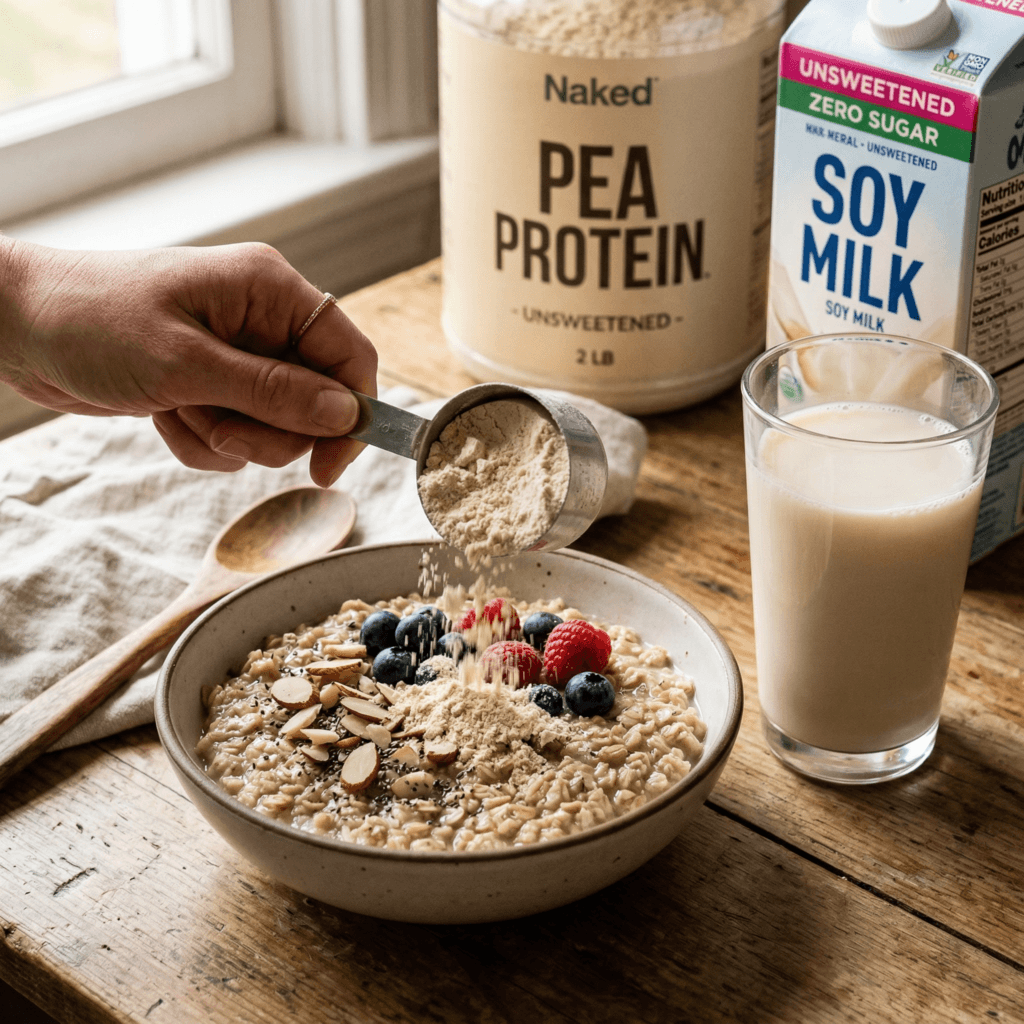
Sometimes a little help from supplements is alright. A scoop of plant-based protein powder added to a smoothie or oatmeal bumps your intake if you’re short on time. Always check the ingredient list for fillers or extra sugar. I’ve found that brands using pea, rice, or hemp as main ingredients are usually pretty high quality.
Meal Prep Favorites: Recipe Ideas to Try
- Chickpea & Quinoa Power Bowl: Toss cooked quinoa, roasted chickpeas, chopped veggies, greens, a spoonful of hummus, and top with a sesame tahini drizzle. Super filling after a tough session.
- Breakfast Egg Muffins: Whisk eggs, chopped spinach, cheese, and black beans, then bake in muffin tins. Grab and go protein that keeps really well in the fridge.
- Tofu Stirfry: Cube tofu, sear in a skillet, and toss with broccoli, peppers, carrots, and a kicky gingery soy sauce. Serve with brown rice or buckwheat.
- Lentil Curry: Simmer red lentils, diced tomatoes, onions, garlic, curry powder, and spinach. Pairs up nicely with wild rice or naan.
- Greek Yogurt Parfaits: Mix Greek yogurt with berries, sliced nuts, chia seeds, and granola for a satisfying snack or light breakfast.
All of these can be prepped in bulk and portioned out for busy weekdays or afterworkout refuels.
Smart Shopping and Cooking Tips
- Shop in Bulk: Dry beans, lentils, and whole grains are budget friendly and store for ages.
- Use Canned and Frozen: Canned beans or frozen edamame make healthy shortcuts when you’re tight on prep time.
- Prep Veggies Ahead: Chop and store hearty veggies like carrots and bell peppers at the start of the week for fast meal assembly.
- Marinades Make the Difference: Give tofu, tempeh, or even beans a flavor boost by marinating overnight before cooking.
- Add Healthy Fats: Olive oil, nuts, and avocado help satisfy hunger and support recovery.
Quick food safety note: Store prepped meals in airtight containers, refrigerate within two hours of cooking, and aim to eat most prepped meals within four days for top freshness.
Frequently Asked Questions
Question: Can vegetarians really build muscle as effectively as meateaters?
Answer: Yes! As long as you hit your daily protein targets and eat a good mix of protein sources, muscle growth and recovery are totally doable on a plant-based plan. Big name athletes like Kendrick Farris and Venus Williams have thrived on vegetarian or vegan diets.
Question: What’s the best quick snack for postworkout recovery?
Answer: Greek yogurt with berries, a smoothie with plantbased protein powder, or a handful of trail mix with seeds and nuts all work well for boosting protein and energy after exercise.
Question: How do I know if I’m getting enough protein?
Answer: Track your meals for a few days with a journal or food tracking app. Most active adults will shoot for 1.2 to 2g of protein per kilogram of body weight each day when they’re focused on muscle building.
Bringing It All Together
Prepping high protein vegetarian meals is a practical way to reach your fitness goals, keep your nutrition on point, and take some stress out of busy weeks. With a little planning and some batch cooking, you’ll have great tasting meals ready to fuel your workouts and recovery every day. Mixing up your proteins, using bold flavors, and rotating recipes goes a long way in keeping everything easy and enjoyable.
For even more inspiration, check out online recipe communities or vegetarian forums where people share their latest finds or favorite plant-based protein hacks. The more you experiment, the easier it gets to create meals you actually want to eat day after day. Don’t be afraid to mix in global flavors—from spicy Indian curries to hearty Italian bakes—so your meal prep always stays exciting!
Have a favorite recipe? Share it with the macro’s below in the comments section.