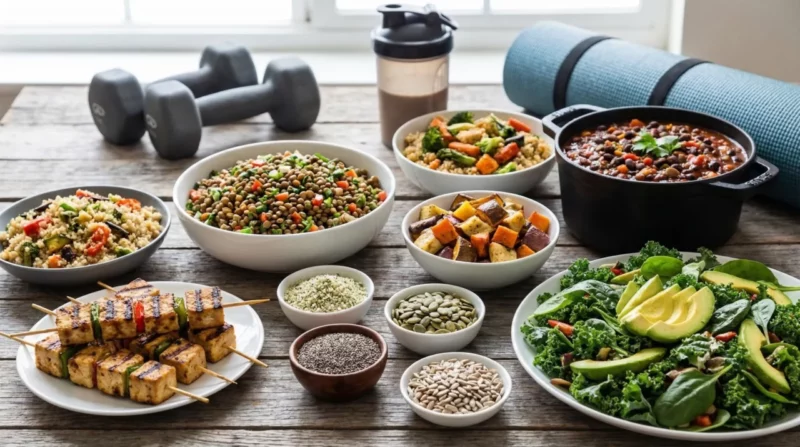
Building muscle on a plant based diet is totally doable. I hear from a lot of people who wonder if you can get enough protein or see real results without animal products. The key is understanding your nutrition and training, making practical choices, and knowing a few plant powered tricks to fuel growth and recovery.
Eating plant based isn’t just for endurance athletes or people who want to lose weight. Lifting heavy, chasing new PRs at the gym, and putting on serious muscle can absolutely be done with tofu, lentils, and oats as your mainstays. You don’t need chicken breasts. Here’s my personal playbook for making those gains on greens.
In this guide, I’ll break down how you can build muscle with plant foods, which protein sources work best, ways to time your meals, and answers to the most common questions people have about strength training with plants. If you’re ready to get into the basics and beyond, let’s roll!
The information contained on this page is for educational purposes only and should not be taken as medical advice. Please see a licensed dietician, nutritionist, or physician for personal recommendations
Get Clear on Your MuscleBuilding Goals
It helps to have a specific goal before you start. “Build muscle” can mean a lot of different things depending on where you’re at. For me, having numbers to track, like targeting a certain weight gain per week or adding reps to a key lift, keeps my training focused and actually fun.
Questions to Consider:
- Are you aiming to add overall muscle mass or get lean and defined?
- How many days a week do you want to train?
- Are you starting with bodyweight exercise or lifting at a gym?
- How much time can you put into meal prep and planning?
Sample Plant Based Muscle Goals:
- Add 23 lbs of muscle in three months
- Bench press your bodyweight for 5 reps
- Increase daily protein intake by 20g
- Feel energized and speed up recovery between workouts
Clear goals will make it easier when you’re figuring out meal prep, tracking progress, or tweaking your plan along the way. Taking the time to write these down is a smart first step and helps you see progress week by week.
Dial In Your Calorie and Protein Needs
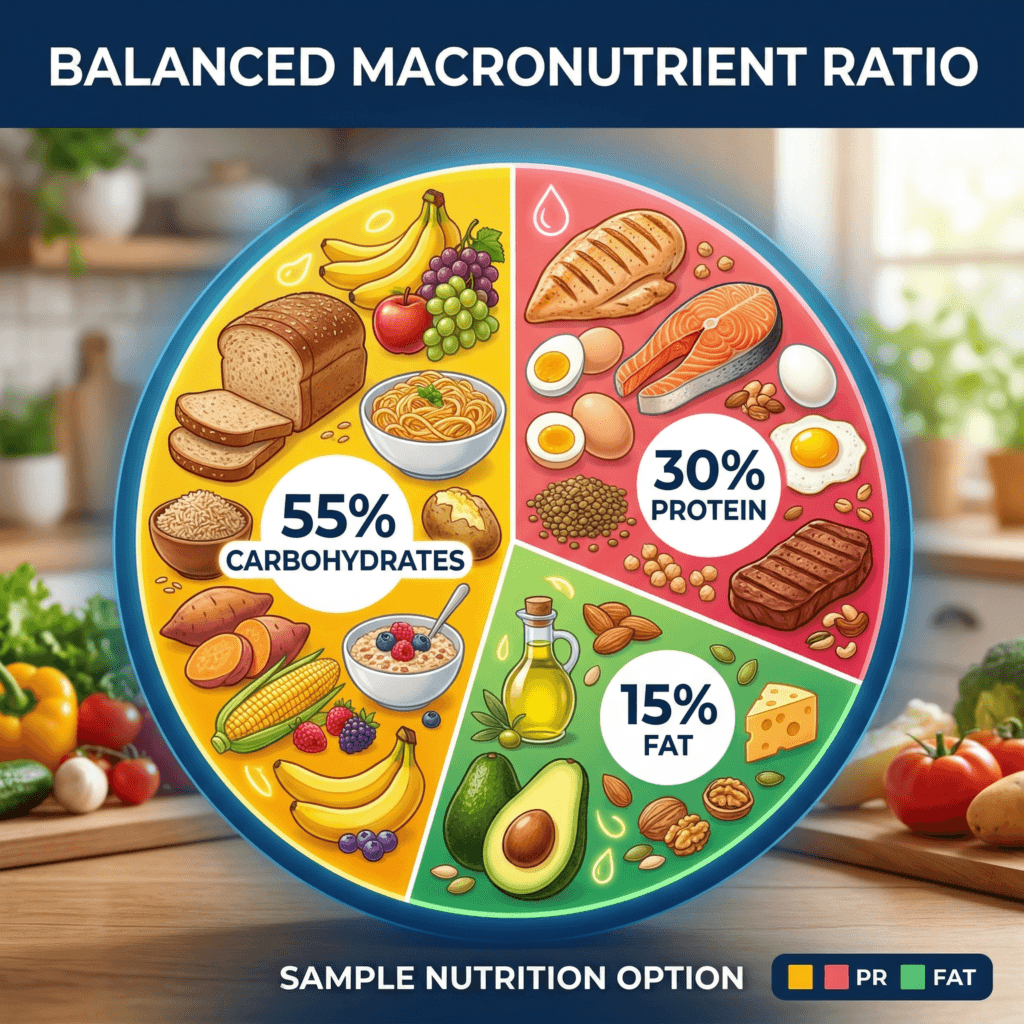
You need a calorie surplus to build muscle. That means eating more calories than you burn in a typical day. Protein plays a big part in muscle repair and growth, but carbs and fats are just as important for all-day energy and healthy hormones. This blend supports sustainable gains and keeps you feeling strong during workouts.
How Much Protein Do You Need?
- General guideline: 0.71 gram of protein per pound of body weight per day for muscle building.
- If you weigh 150 lbs, that’s about 105–150 grams daily.
Tracking your food for a week using an app, such as Cronometer or MyFitnessPal, gives you a baseline and shows where you may need to add more protein or calories to fuel your goals.
Don’t Forget Your Carbs and Fats
- Carbs (think rice, oats, potatoes) fuel your workouts and help you recover. Don’t skip them just to keep meals “clean.”
- Healthy fats (avocado, nuts, seeds, olive oil) are caloriedense, so tossing a handful of walnuts or sunflower seeds in your salad can make meeting your calorie goals a lot easier.
Including a balance of carbs and fats can help you sustain energy, enjoy your meals, and hit your targets without feeling deprived.
Choose Convenient High Protein Plant Foods
I used to worry that plant based meant endless salads. Turns out, there’s a good list of heavy hitter protein sources out there. Knowing what to eat makes meal planning and snacking way less stressful and way more enjoyable.
- Tempeh and tofu: Crisp them up in a stir fry, toss in salads, or build wraps with lots of veggies.
- Lentils and beans: Great for chilies, soups, and curries. Canned beans are super convenient for busy days.
- Edamame: Awesome as a snack or tossed into grain bowls for a protein boost.
- Quinoa and buckwheat: Higher in protein than most grains. Try swapping rice for quinoa sometimes.
- Textured vegetable protein (TVP): Soaks up flavor and works in tacos, pasta sauce, and more.
- Protein powders: Pea, rice, soy, or blends. Perfect for smoothies or stirring into oatmeal.
I always keep a few of these staples around. Prepping a week’s worth of beans or roasting a batch of tofu makes meals quick and helps me stay on track. Adding nut butters or nutritional yeast can also add extra protein to your main meals or snacks without much extra effort.
Plan Your Meals to Support Muscle Growth
Timing meals around training helps your body recover and get the most from your efforts in the gym. On plantbased diets, it can feel tricky at first, but I’ve found a few routines that work well and are easy to stick with.
Before Your Workout
- Have a balanced meal 60-90 minutes before training. Think a rice bowl with beans and veggies, or oatmeal with seeds and fruit.
- Focus mostly on easily digested carbs and a little protein. Fat and fiber slow digestion, so keep those on the lighter side if you’re eating close to a workout.
After Your Workout
- Try to eat something with protein and carbs within an hour after training. A smoothie with plant protein powder, banana, and some oats covers your bases.
- If you work out late, prepping a snack ahead of time, like overnight oats or bean wraps, pays off when you’re hungry and tired.
Meal timing can step up your recovery and help you maximize muscle gains. As you get more comfortable, adjust these windows to fit your personal schedule and what feels best for your body.
Address Common Plant Based Muscle Building Challenges
Switching to a plant based diet usually comes with a learning curve, especially when gaining muscle is the goal. I’ve picked up a few tips from trial, error, and help from other plant based lifters:
- Dealing with fullness: Plant foods can be filling. Blended smoothies, energy balls, and a few highcalorie snacks help get in more nutrition without feeling stuffed all day.
- Getting variety: Try different cuisines, like Mediterranean, Indian, Mexican, or Thai, to keep things interesting. Seasonings and sauces go a long way to keep meals flavorful.
- Watching for nutrient gaps: Pay attention to iron (lentils, spinach, fortified cereals), vitamin B12 (supplements recommended), omega3s (chia seeds, flaxseed), and zinc (pumpkin seeds, beans).
- Staying consistent: Batchcook your grains and beans. Make double and freeze leftovers. Meal prepping keeps you fueled even when life gets busy.
Building a routine that fits your schedule will make it easy to stay on track. Don’t hesitate to experiment with new recipes or plant based snack combos.
Stick With a Training Plan That Builds Muscle
The food side gets all the attention, but your training is what sparks muscle growth. You don’t need fancy gear or a pro-level routine. Consistency and progressive overload, by gradually increasing weight or reps, are where the magic happens.
What Works for Plant Based Muscle Gain:
- Train major muscle groups at least 2x per week
- Focus on compound lifts—squats, deadlifts, bench press, rows, or their bodyweight versions
- Track your workouts so you see your progress in real time
- Get enough rest and recovery between sessions
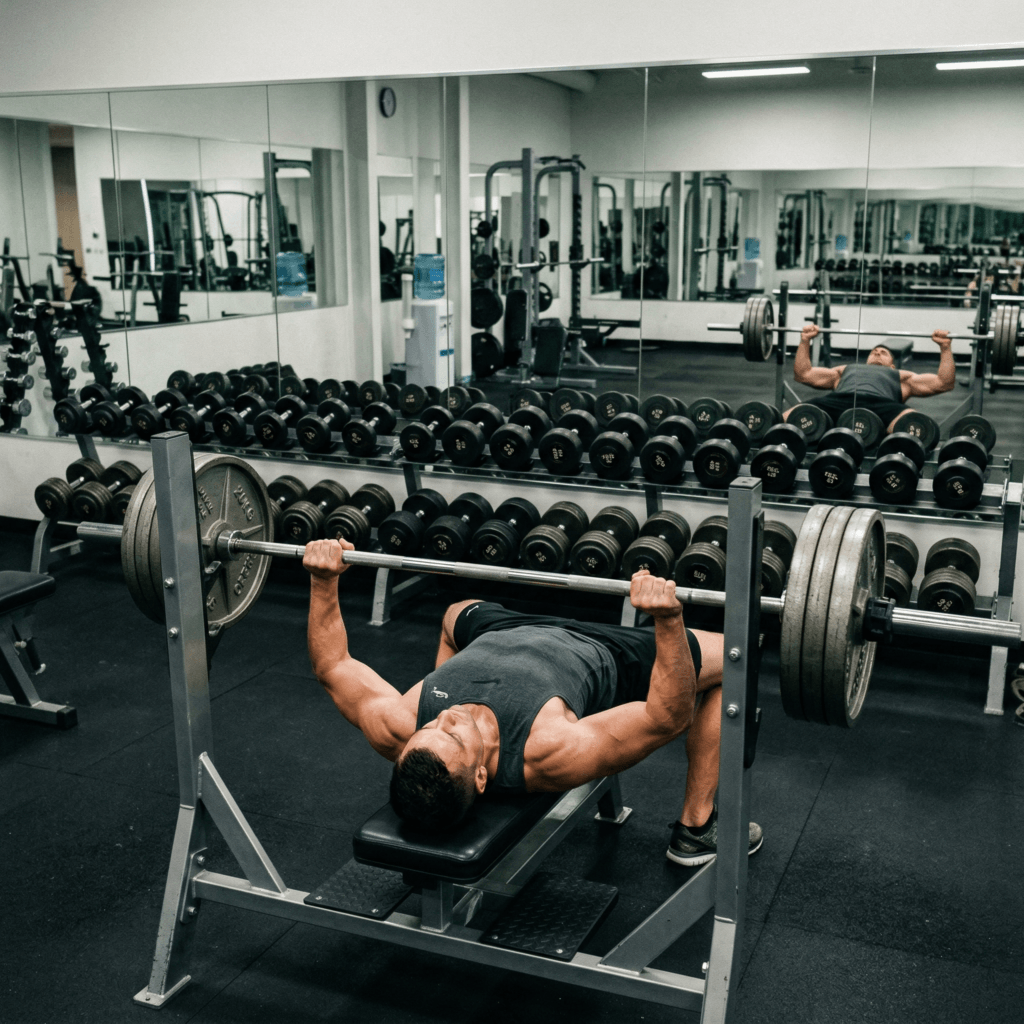
I like to change up my routine every 6-8 weeks to keep things fresh and avoid plateaus. If you’re just starting out, bodyweight moves and resistance bands work great, and you can build from there. Remember, making steady progress is more important than chasing perfection every week.
Common Questions About Building Muscle on Plants
Do I need protein powder to see results?
No—you can get all the protein you need from whole foods, but powders can make it a lot easier if you have a busy schedule or struggle to hit your daily target. Powders are convenient, but not a must if your meals are well planned.
Can I bulk up as much as meat eaters?
Absolutely! Many plant based athletes, from bodybuilders to powerlifters, have impressive muscle mass. The main thing is getting enough calories, not just protein. Focusing on calorie intake and sticking to a solid training plan will get you there.
How do I know I’m making progress?
- Take weekly or monthly photos to see changes in your physique
- Track your lifts and reps
- Check body weight and measurements, but remember, strength gains sometimes show before the scale moves
Noticing improvement in endurance, the amount you can lift, and how you feel are all good signs of progress. Give each marker its due, and celebrate small wins.
Next Steps: Make Your Plant Based Muscle Plan Work for You
Building muscle on a plantbased diet means paying attention to food quality, meal timing, and your training habits. It helps to start with small changes and build from there, rather than trying to change everything on day one. Finding what works for your tastes and lifestyle is key to longterm success.
Your Simple Checklist:
- Set a clear musclebuilding goal for the next 30 days
- Choose a few protein rich foods you like, and add them to your meals
- Follow a training plan you’ll actually enjoy and stick with for several weeks
Trying new recipes, tracking progress, and getting creative with snacks make a big difference. If you have a favorite plant based muscle meal or hack, I’d love to know about it below! Keep experimenting, keep moving, and enjoy the adventure of making gains with plants.