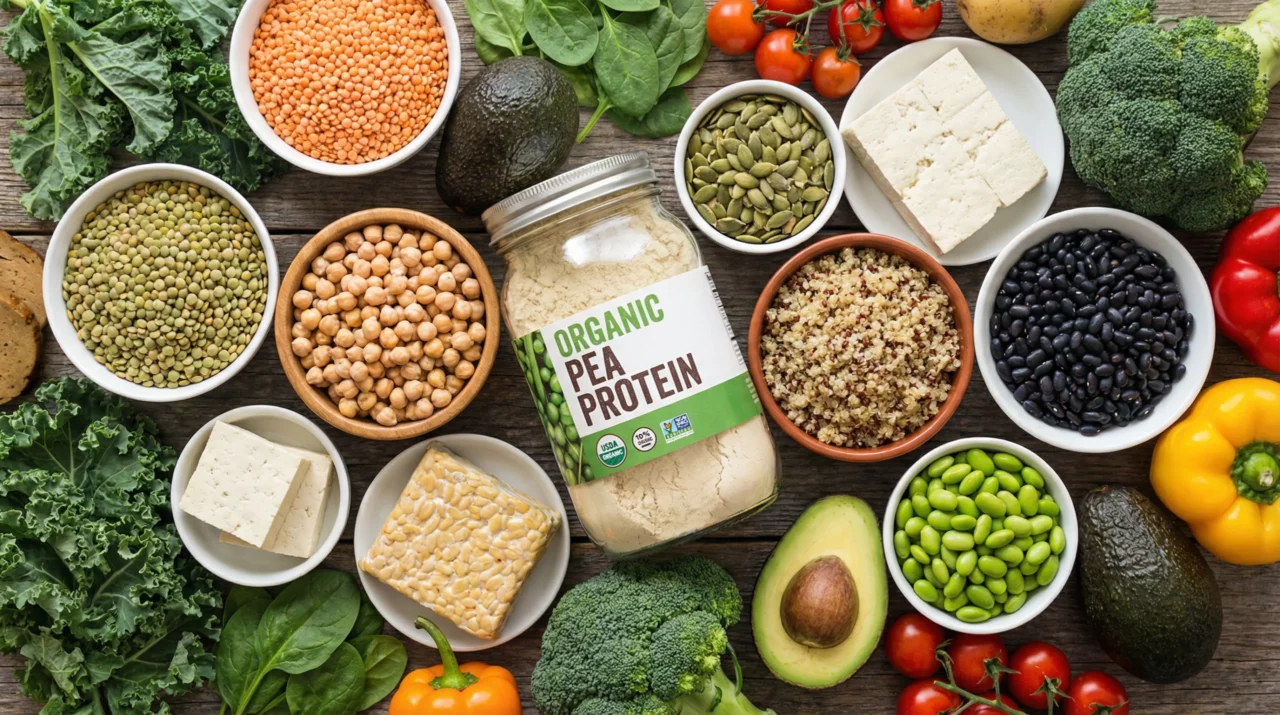
Building muscle on a plant-based diet isn’t just possible; it’s a lot easier than most people assume. Plant protein options are plentiful, tasty, and packed with all the nutrients you need to make strength gains while supporting your overall health.
If you’re trying to get stronger, look leaner, or just eat healthier, swapping out animal protein for plant protein is a smart move. The key is to know which foods can power your progress and how to include them in your daily meals, so you’re not missing out on any musclebuilding nutrients.
This list tracks down the top ten plant-based protein sources for muscle gain, including easy ways to add them to your diet, how much protein they offer, and other good-for-you perks. These options aren’t just for vegans and vegetarians; they’re great for anyone who wants to eat clean, improve performance, and feel energized.
The information contained on this page is for informational purposes only and should not be taken as medical advice. Please see a licensed dietician, nutritionist, or physician for personal recommendations
1. Lentils: The MuscleFriendly Legume
Lentils are one of my go-tos for easy, high-protein meals. You get about 18 grams of protein per cooked cup, along with slow digesting carbs and lots of fiber. They’re budget friendly and simple to use in soups, stews, salads, or hearty curries. Lentils are also a good source of folate and iron, helpful for energy production and muscle repair. Plus, their fiber helps with digestion and keeping you full between meals.
How to Add Lentils to Your Diet:
- Mix them into chili or stew for extra plant protein.
- Toss cooked lentils into salads or meal prep bowls for a satisfying texture.
- Try red lentils in creamy, curry-inspired dishes or classic lentil soup.
2. Tofu: PlantBased Protein Powerhouse
Tofu is super versatile and absorbs flavors really well. A half-cup serving of firm tofu has around ten grams of protein. It’s also a solid source of calcium and iron, which help you recover after workouts. Tofu works great in stirfries, tacos, sandwiches, and even breakfast scrambles. Rich in isoflavones, tofu offers heart health and anti-inflammatory perks that support overall wellbeing and recovery.
Tips for Cooking With Tofu:
- Press it before cooking to get a meatier texture.
- Marinate tofu cubes to boost the flavor before adding them to your favorite dish.
- Crisp tofu in the oven or air fryer for salads and wraps.
3. Chickpeas: The Superstar Snack and MealBuilder
Chickpeas, or garbanzo beans, pack about 15 grams of protein per cooked cup. They’re great in salads, grain bowls, or roasted as a crunchy snack. Besides protein, chickpeas bring lots of fiber, manganese, and folate to help muscles recover and grow. Their versatility is second to none—they can be whipped into dips, stirred into curries, or even baked into savory patties.
Quick Chickpea Ideas:
- Blend chickpeas into hummus for a tasty dip.
- Add canned or cooked chickpeas to salads or veggie wraps.
- Roast chickpeas with seasonings for a savory, protein-rich snack.
4. Tempeh: The Hearty, Protein-Dense Soy Option
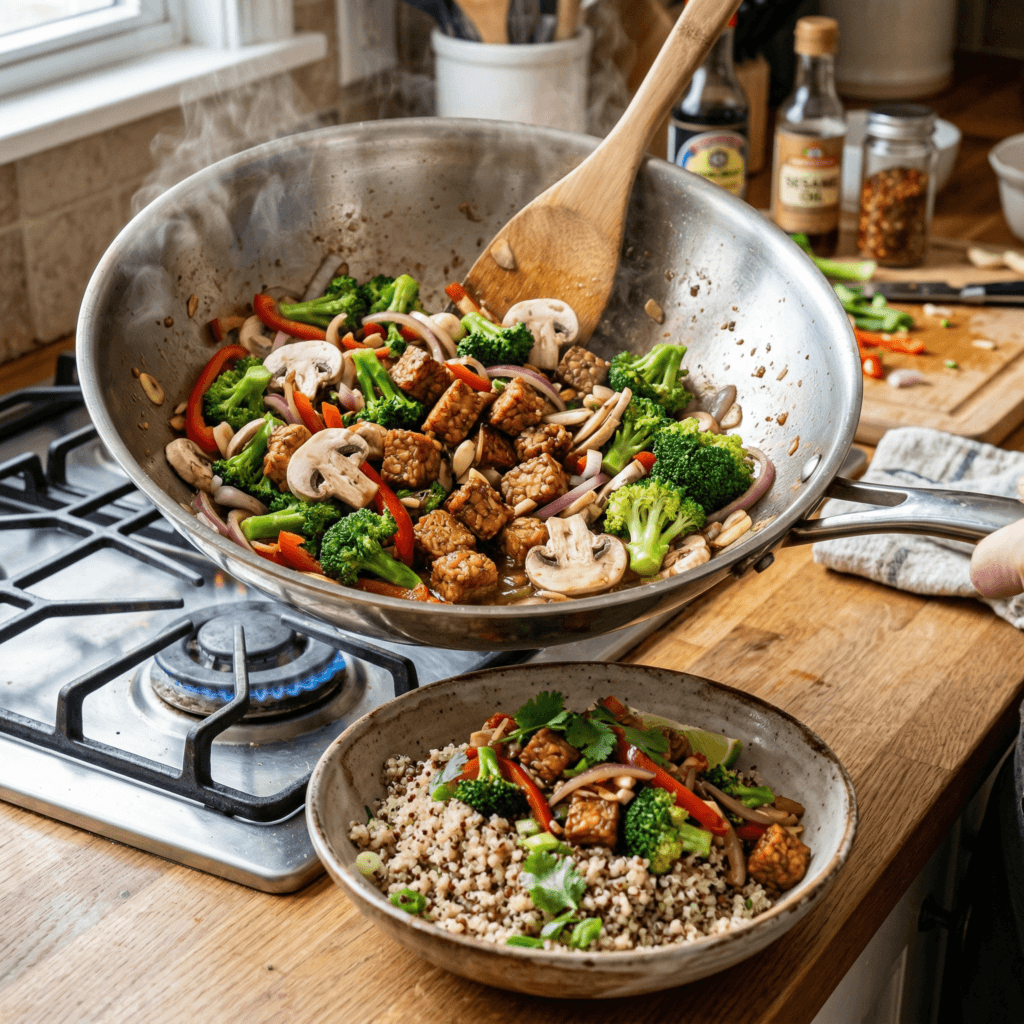
Tempeh is less processed than tofu and has a firmer, nutty taste. It offers around 16 grams of protein per three-ounce serving, plus gut-friendly probiotics. Tempeh is great grilled, sauteed, or crumbled into pasta sauce and tacos. Its dense nutrient profile means you also get iron, magnesium, and even small amounts of calcium to help you perform your best.
Ways to Use Tempeh:
- Slice and pansear tempeh strips for a filling sandwich.
- Crumble it as a “ground meat” replacement in tacos or burritos.
- Cube and toss tempeh in your favorite stirfry or curry dish.
5. Quinoa: The Complete Protein Grain
Quinoa is a tiny grain with big benefits. It’s a rare plant source that contains all nine essential amino acids, making it a complete protein. You’ll get about eight grams of protein per cooked cup, along with magnesium, which is really important for muscle function. Quinoa is also glutenfree and a great base for both sweet and savory meals, making it an easy addition to your meal planning.
How I Use Quinoa:
- Swap out rice or pasta for quinoa in meal prep bowls.
- Mix with black beans and veggies for a tasty salad base.
- Make breakfast quinoa with nut butter, fruit, and plant milk.
6. Edamame: Snack-Sized Protein Power
Edamame, or young soybeans, are easy to eat by the handful. One cup (shelled, cooked) gives you about 17 grams of protein. Edamame is loaded with antioxidants and easy to toss into stir-fry’s, salads, or just eat plain with a sprinkle of sea salt. Besides protein, edamame gives you fiber, folate, and vitamin K—all good for recovery and balanced nutrition.

Simple Edamame Ideas:
- Add to stir-fry dishes, noodles, or chili for extra protein.
- Mash into guacamole or dips for a protein twist.
- Snack on steamed edamame with seasoning after a workout.
7. Black Beans: Cheap and Packed With Protein
Black beans offer about 15 grams of protein per cooked cup, with plenty of fiber, potassium, and iron as well. They’re great for muscle repair and digestion, making them a practical pick for athletes. These beans work wonderfully in tacos, burrito bowls, soups, or veggie burgers. If you want a hearty, filling meal, black beans are an easy way to pack in protein and add a rich flavor to salads or stews.
Creative Uses for Black Beans:
- Build your own burrito bowls with black beans, grains, and toppings.
- Include black beans in homemade veggie burgers or patties.
- Add them to a hearty chili with lots of veggies and spices.
8. Seitan: Wheat-Based Protein That Feels Like Meat
Seitan, sometimes called “wheat meat,” packs a punch with about 21 grams of protein for a three-ounce serving. It’s got a chewy, meat-like texture, which makes it especially popular in sandwiches, stirfries, or as a grilled main dish. Keep in mind that seitan isn’t gluten free, so skip it if you have gluten sensitivity. Seitan also delivers selenium, iron, and phosphorus, giving a boost to both muscle maintenance and energy levels.
Best Ways to Eat Seitan:
- Slice and grill for a protein packed main course.
- Stirfry with veggies and sauce for a hearty meal.
- Add to wraps or grain bowls for satisfying texture and taste.
9. Pumpkin Seeds: Crunchy Boost for Snacks and Meals
Pumpkin seeds, or pepitas, bring about seven grams of protein per ounce. They also have magnesium, zinc, and healthy fats that support recovery and overall wellness. Sprinkle them on oatmeal, salads, or eat them as part of your postworkout snack. As an added perk, pumpkin seeds can support better sleep and hormone balance, two things that matter when you’re aiming to build muscle.
How to Use Pumpkin Seeds:
- Add to granola, overnight oats, or smoothies for crunch.
- Top salads or roasted veggie bowls.
- Combine with dried fruit for an easy trail mix on the go.
10. Pea Protein: The Supplement That Fits Any Diet
Pea protein powder is made from yellow split peas and is totally plantbased. It’s packed with about 20 grams of protein per scoop, making it perfect for shakes, smoothies, or adding to baked goods. This option is easy to digest, free from common allergens, and usually works well after a tough workout. It also mixes smoothly into oatmeal and pancake batter, giving variety to your protein intake.
Tips for Using Pea Protein:
- Blend with fruit, nut butter, and nondairy milk for a simple shake.
- Add to pancake or waffle batter for extra protein at breakfast.
- Mix into overnight oats for a filling morning meal.
Quick Tips For Maximizing Muscle Gain With Plant Proteins
Getting enough protein and the right mix of amino acids is super important. If you’re only eating plants, try to mix up your protein sources to cover all your bases. Pairing foods like beans with grains or nuts helps you get a complete amino acid profile over the day. Remember that muscle growth also depends on total calorie intake, strength training, and getting enough sleep, so focus on the big picture for the best results.
- Eat a mix of legumes, soy, grains, nuts, and seeds for variety and balance.
- Focus on protein-rich snacks and meals to stay on track for your muscle goals.
- Include lots of fruits, vegetables, and whole foods for the best recovery and energy.
- Plan meals around your workouts so you always have fuel for exercise and muscle repair.
Wrapping Up
Including these ten plant-based protein sources in your diet can keep your muscles fueled, your meals interesting, and your results moving forward. Whether you’re new to plant-based eating or you just want more options for muscle gain, these foods are worth adding to your routine. Have a favorite plant protein or recipe? Feel free to share or keep experimenting; you’ll be surprised how much you can do without animal products. The world of plant protein is full of next-level cool choices, and all it takes is a little curiosity and creativity to make your meals tasty and muscle friendly.